


2026
Why Chinese Men Struggle to Ask for Help: A Cultural Lens
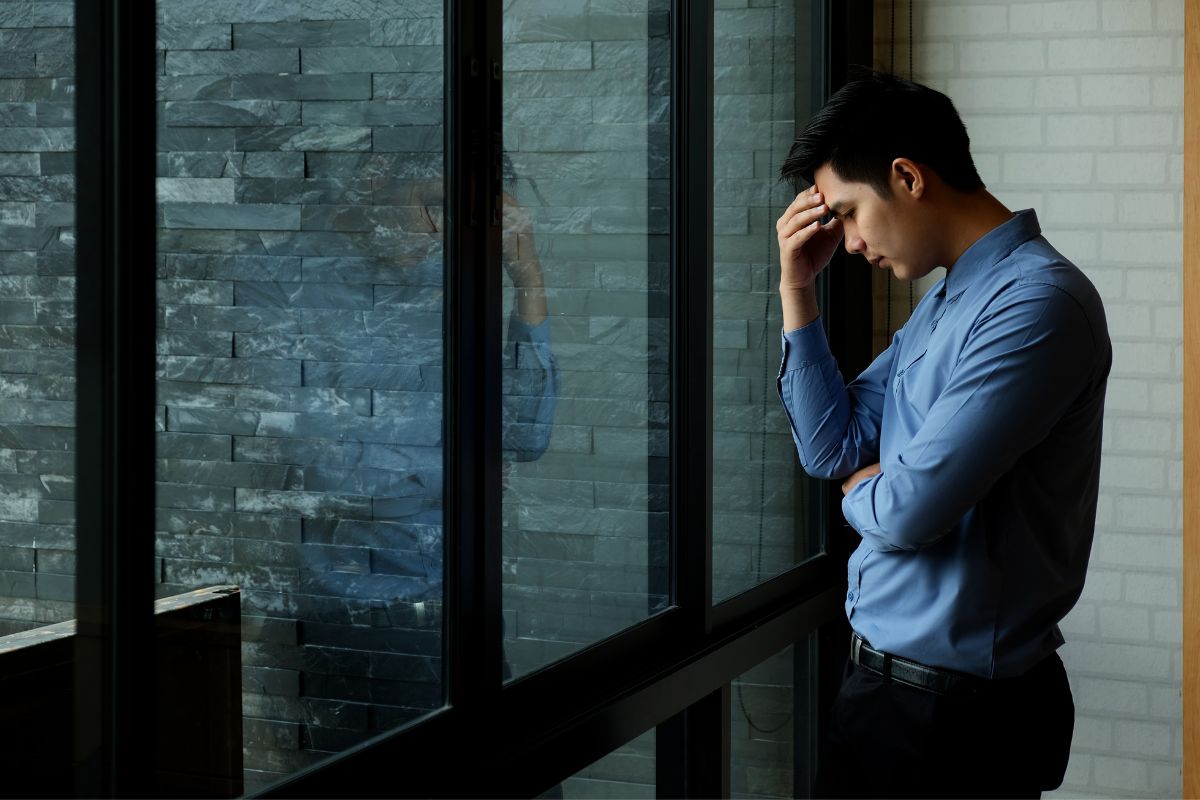
Understanding cultural expectations, emotional restraint, and how counselling creates a safe space for Chinese men in Canada.
Introduction: The Quiet Weight Chinese Men Carry
Across Canada, many Chinese men carry stress quietly. They work hard, stay composed, and rarely show emotional strain. Even when life feels overwhelming, they often continue to push forward without asking for support. This silence isn't personal weakness — it's cultural conditioning.
For generations, Chinese families have taught men to be strong, responsible, and emotionally restrained. Asking for help can feel unfamiliar, uncomfortable, or even shameful. Many Chinese men have never been shown what healthy emotional support looks like, let alone how to seek it.
Yet emotional support is not a sign of failure. It is a sign of maturity, clarity, and strength.
This article explores why Chinese men often hesitate to seek help — and how culturally attuned counselling provides a respectful, safe space to breathe, reflect, and grow.
1. Cultural Expectations Shape Emotional Behaviour
Chinese culture places high value on stability, harmony, and endurance. Many men grow up hearing messages like:
- "Be strong."
- "Don't cause trouble."
- "Handle it yourself."
- "Don't burden others."
- "Endure first, talk later."
These messages become internalized early. By adulthood, many Chinese men believe that showing distress is risky or inappropriate. They learn to:
- stay calm even when overwhelmed
- avoid sharing personal struggles
- solve problems alone
- protect family harmony by staying silent
- prioritize duty over personal needs
This emotional restraint is not a flaw — it's a cultural survival strategy. It helps maintain family stability, avoid conflict, and preserve respect. But over time, it can also create emotional isolation.
The "Strong Man" Identity
In many Chinese families, strength is defined not by emotional openness but by:
- endurance
- self-reliance
- quiet responsibility
- sacrifice
- stability
This creates a powerful internal rule: "Real men don't ask for help."
Counselling gently challenges this belief, showing men that strength can include clarity, emotional awareness, and healthy support.
2. Saving Face: The Fear of Judgment
"Saving face" is one of the most powerful cultural forces shaping emotional behaviour. It influences how Chinese men express emotions, handle conflict, and seek help.
For many Chinese men, showing vulnerability feels unsafe because it risks:
- losing respect
- appearing weak
- disappointing family
- being judged by peers
- damaging reputation
- creating shame for themselves or their parents
Even in Canada, where mental health conversations are more open, the internal fear of "losing face" remains strong.
How Saving Face Creates Emotional Silence
This fear often leads to:
- silence during stress
- avoidance of emotional conversations
- reluctance to seek counselling
- difficulty expressing needs in relationships
- hiding burnout or exhaustion
- pretending everything is fine
Many Chinese men believe that if they show distress, others will see them differently — less capable, less stable, less respectable.
Counselling becomes easier when men understand that vulnerability is not shameful — it's human.
3. The Eldest Son Burden: Responsibility Without Rest
This role begins early and rarely ends. Eldest sons are often expected to:
- protect siblings
- support parents
- stay calm during conflict
- succeed academically and professionally
- be the "pillar" of the family
- make decisions during crises
- represent the family with honour
This creates invisible pressure that follows him into adulthood.
Many eldest sons feel they must stay strong at all times, even when overwhelmed.
The Silent Weight of Duty
Eldest sons often experience:
- chronic stress
- guilt when resting
- pressure to succeed
- fear of disappointing parents
- emotional suppression
- difficulty expressing needs
Counselling offers a rare space where eldest sons can finally put down the weight they've been carrying for decades — without judgment, expectation, or pressure.
4. The Only Son Syndrome: Pressure Without Backup
While eldest sons carry significant responsibility, only sons often face an even heavier emotional load. In families with a single child or only son, the expectations can be overwhelming.
An only son is not just the "pillar" of the family; he is the entire foundation.
He grows up knowing that:
- his success determines the family's future
- his stability determines his parents' security
- his choices reflect on the whole family
- he must excel academically and professionally
- he must avoid mistakes because there is no sibling buffer
The Weight of Being "Everything" to the Family
Only sons often experience:
- intense academic pressure
- career pressure to "make the family proud"
- emotional pressure to avoid worrying parents
- financial pressure to support aging parents alone
- relational pressure to marry, have children, and carry the family name
Unlike eldest sons, who may share responsibility with younger siblings, only sons carry 100% of the family's expectations.
This can lead to:
- chronic stress
- fear of failure
- perfectionism
- emotional suppression
- difficulty resting
- guilt when pursuing personal needs
- pressure to be "strong" at all times
How Only Son Syndrome Affects Help-Seeking
Many only sons hesitate to seek counselling because they believe:
- "I must handle everything myself."
- "If I struggle, my parents will worry."
- "I can't show weakness — I'm the only one they have."
- "I don't want to disappoint them."
This creates a powerful emotional bind: They need support the most, but feel the least allowed to ask for it.
Counselling as a Release Valve
Culturally attuned counselling helps only sons:
- explore pressure without guilt
- understand the roots of perfectionism
- reduce emotional isolation
- build healthier boundaries
- redefine responsibility in sustainable ways
- learn that support does not equal failure
For many only sons, counselling becomes the first place where they can finally say:
"I'm tired." "I'm overwhelmed." "I need help."
And be met with understanding instead of expectation.
5. Achievement Pressure: The Cost of Being "Strong"
Chinese masculinity often celebrates endurance, stability, and self-reliance. Many men push themselves relentlessly, believing:
- rest is weakness
- asking for help is failure
- emotions are distractions
- success must be earned through hardship
- personal needs should be secondary
This leads to:
- burnout
- emotional numbness
- chronic stress
- strained relationships
- difficulty relaxing or slowing down
- physical exhaustion
- decision fatigue
The Cultural Drive to Excel
Many Chinese men feel responsible not only for their own success but for their family's stability and future. This creates a dual pressure:
- internal pressure (self-expectation)
- external pressure (family, community, cultural norms)
Counselling helps men redefine strength in healthier ways — not through suppression, but through clarity, balance, and emotional resilience.
6. Why Counselling Feels Unfamiliar for Many Chinese Men
Many Chinese men grew up in environments where counselling is not common. Emotional support was handled through:
- family advice
- quiet endurance
- practical problem-solving
- avoidance of conflict
- "just work harder"
- "don't think too much"
Because counselling wasn't part of their upbringing, it can feel foreign or uncomfortable.
Common Thoughts Chinese Men Have About Counselling
- "I should be able to handle this myself."
- "Talking to a stranger feels strange."
- "I don't want to be judged."
- "I don't know how to express my feelings."
- "I don't want to burden anyone."
- "I don't want my family to know."
A culturally attuned counsellor understands these barriers and guides men gently, respectfully, and without pressure.
7. How Culturally Attuned Counselling Helps Chinese Men
Culturally attuned counselling respects:
- language (English, Mandarin, Cantonese)
- cultural values
- family expectations
- emotional patterns
- communication styles
- the importance of saving face
- the role of duty and responsibility
It creates a safe environment where Chinese men can:
- speak freely without fear of judgment
- explore stress and identity conflict
- understand emotional patterns
- improve communication in relationships
- reduce burnout and pressure
- build healthier definitions of strength
- reconnect with their values without losing themselves
Why Cultural Attunement Matters
Many Chinese men feel misunderstood in mainstream counselling. They may feel:
- rushed
- judged
- culturally unseen
- pressured to be more "Western"
- misunderstood in their communication style
A culturally attuned counsellor understands:
- indirect communication
- emotional restraint
- family hierarchy
- filial piety
- achievement pressure
- the eldest son burden
- the only son syndrome
- the importance of harmony
This creates trust — the foundation of healing.
8. A New Path Forward for Chinese Men in Canada
Chinese men deserve spaces where they can be honest, supported, and understood. When cultural expectations make vulnerability difficult, counselling becomes a powerful tool for healing.
Asking for help is not losing face. It is gaining clarity. It is choosing growth. It is reclaiming emotional strength.
Counselling is not about weakness — it is about becoming more grounded, more balanced, and more connected to oneself and others.
Please contact me if you are looking for professional support.

Post a Reply